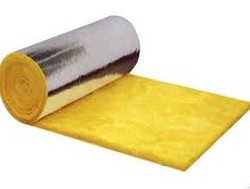
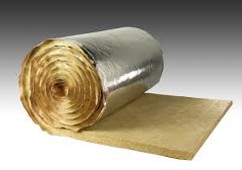
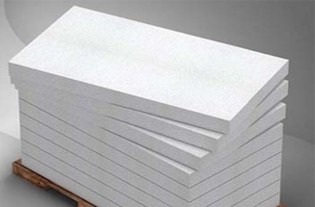
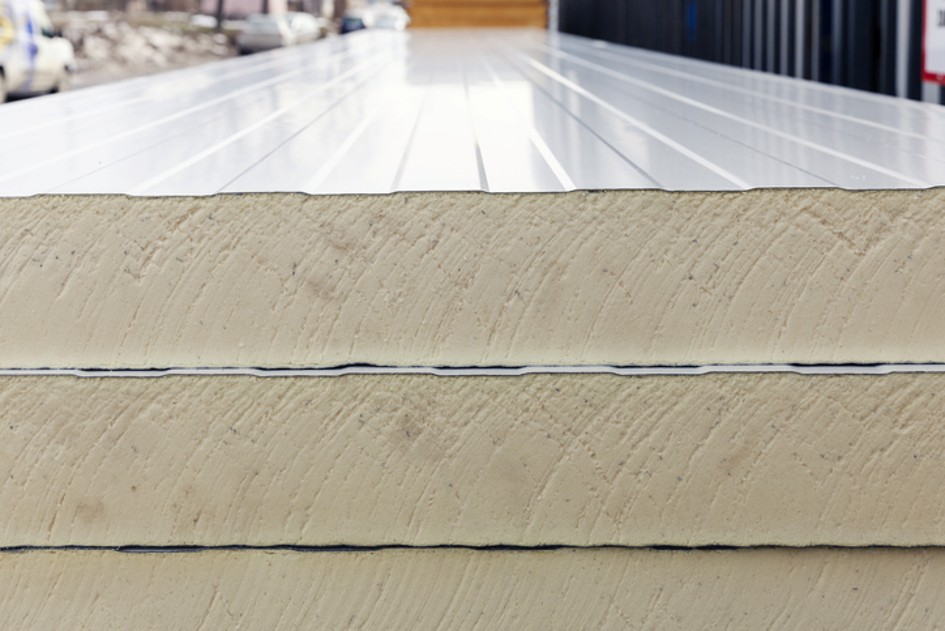
An insulation material is any substance that slows the transfer of heat by conduction, convection, or radiation, acting as a barrier to reduce heat loss or gain and maintaining stable indoor temperatures.
Why Duct Thermal Insulation is required?
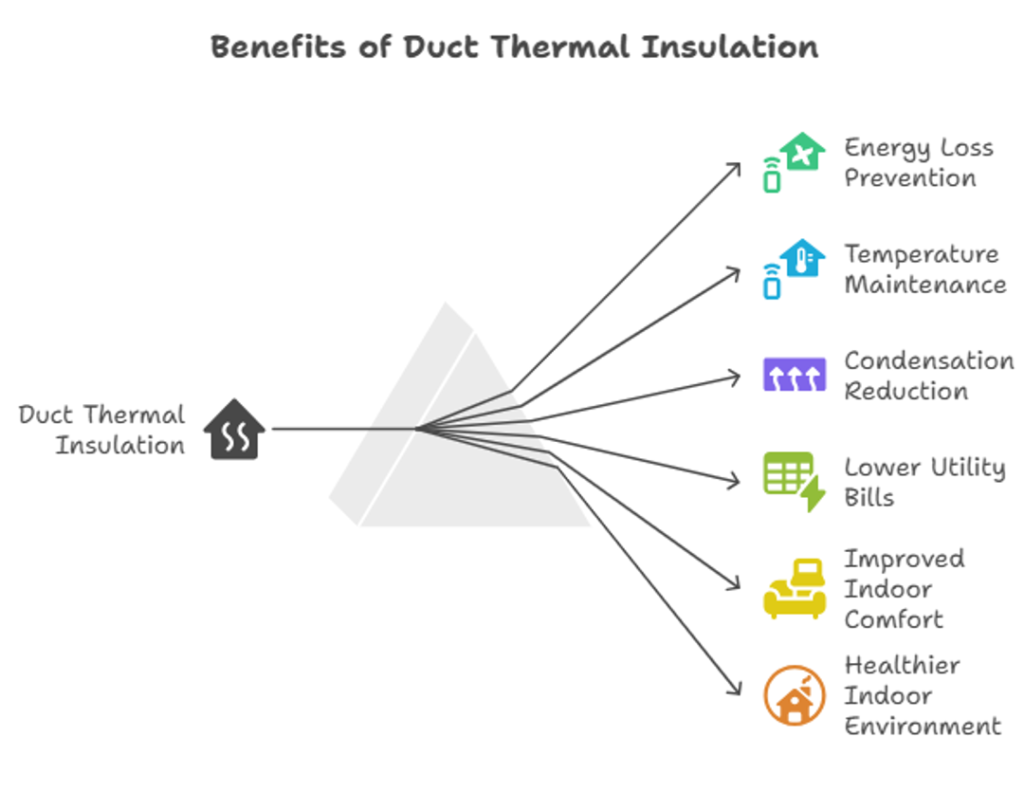


An insulation material is any substance that slows the transfer of heat by conduction, convection, or radiation, acting as a barrier to reduce heat loss or gain and maintaining stable indoor temperatures.
Why Duct Thermal Insulation is required?

Step 1 : SELECT THE INSULATION MATERIAL TYPE
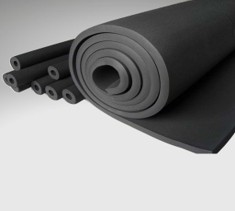
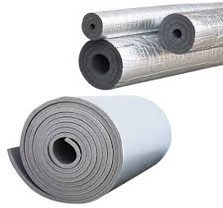
Nitrile Butadiene Rubber Insulation material
Step 2: FIND OUT THE THERMAL CONDUCTIVITY & EXTERNAL SURFACE COEFFICIENT OF THE INSULATION
MATERIAL
For Nitrile rubber insulation
Thermal Conductivity (k) : 0.038 W/m 0C
External Surface coefficient (h) : 9 W/m2 0C

Step 3: COLLECT AMBIENT CONDITION OF THE PARTICULAR CITY
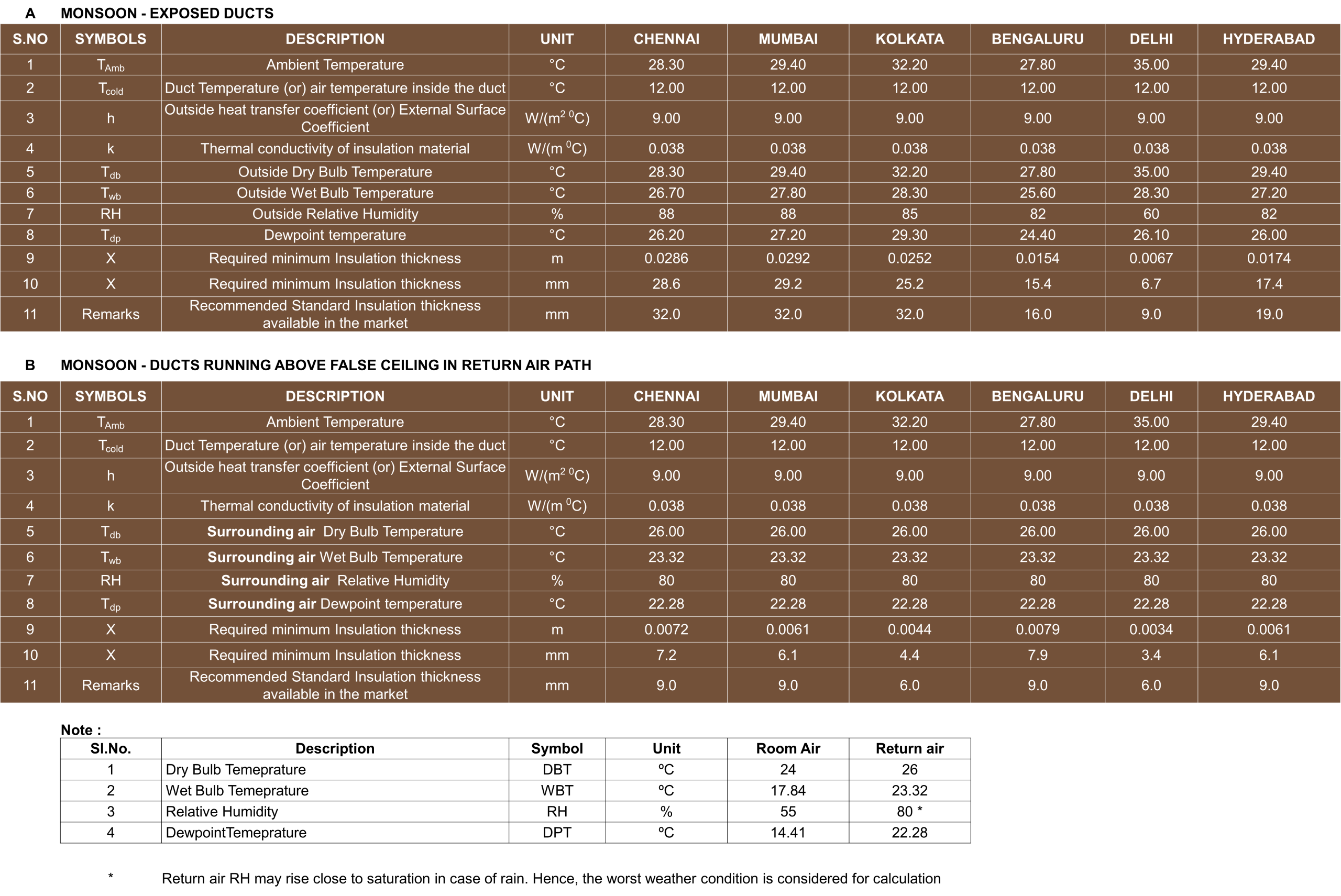
For Example Chennai ambient condition for Monsoon season
Ambient Dry Bulb Temperature (Tamb) : 28.3 0C
Surrounding air Wet Bulb Temperature (Twb) : 26.00 0C
Surrounding air Dew Point Temperature (Tdp) : 22.28 0C
Surrounding air Relative Humidity (RH) : 80%
Step 4: CHECK THE SUPPLY AIR TEMPERATURE TRAVELLED INSIDE THE DUCT
Air Temperature inside the duct (Tcold) : 12 0C
The duct thermal insulation thickness is calculated to prevent condensation using the following equation (applicable where ducts are installed inside the building)
X = (k/h) * [(Tdp – Tcold) / (Tamb – Tdp)]
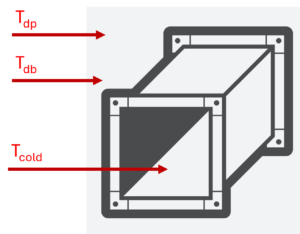
X = (k/h) * [(Tdp – Tcold) / (Tamb – Tdp)]
= (0.038/9) * [ ( 22.28 – 12) / ( 28.30 – 22.28)]
= 0.0042 * [ (10.28) / (6.02) ]
= 0.00717 m
X = 7.17 mm (Required insulation thickness)
Selected Insulation thickness is 9mm
(Standard Insulation thickness available in the market)